
The Bond Between Captain and Crew
The Tigers of MompracemThis thread focuses on how Sandokan’s treatment of his subordinates mixes command discipline, personal recognition, and the expectation of sacrifice.
increasing Bearing strength in each event
 decreasing
Bearing strength in each eventdecreasingOrders and Obedience
Orders and Obedience
A Direct Command
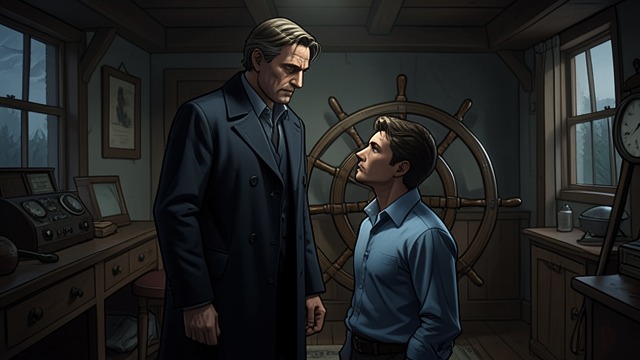
Sandokan tells Patan to divide his crew and board the assigned vessels. When Patan asks the destination, Sandokan insists that obedience is his duty.
Discipline as Dependence
The exchange shows a hierarchy built around Sandokan’s authority. Its efficiency supports the expedition, but it leaves the crew dependent on decisions whose reasons are withheld.
Recognition of the Brave
Recognition of the Brave
A Fallen Gunner
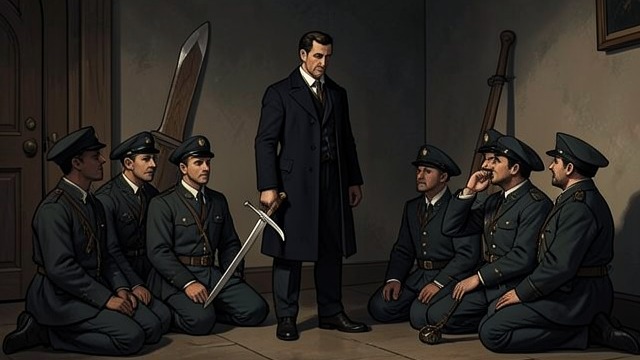
After Patan dies at his cannon, Sandokan acknowledges the courage of men who continue fighting. His admiration for brave subordinates gives their sacrifice a place within his code.
Promotion Amid Grief
He names Sabau commander of the surviving crews. The practical appointment also recognizes a fighter whose conduct has earned Sandokan’s confidence.
Sacrifice as Expectation

Sacrifice as Expectation
A Severe Standard
After losing Pagkon, Sandokan reprimands Patan for failing to stand beside him during the boarding. He directs Patan to lead the next attack, even if it means his death.
Loyalty’s Human Cost
Patan later dies fighting at the cannon. Sandokan’s recognition of bravery is genuine, but his leadership also demands a willingness to be sacrificed.
Morning after 20 December 1849
First afternoon at Labuan
From the junk engagement to the first Labuan battle
